What is anxiety?
Anxiety is a normal response to stress, but when it becomes persistent or overwhelming it can affect your daily life. Common forms include generalised anxiety disorder, social anxiety, panic disorder and specific phobias.
Intrusive thoughts and the rituals that follow them are a different condition, obsessive-compulsive disorder. It is close to anxiety, but it has its own diagnosis and its own kind of therapy. Our OCD page explains what that looks like.
When to seek help
Consider reaching out to a professional if anxiety is:
- Interfering with your work, relationships or daily activities
- Causing persistent physical symptoms such as sleep problems, muscle tension or digestive issues
- Leading to avoidance of situations you would normally engage with
- Lasting for weeks rather than days

How therapy can help
For generalised anxiety disorder, NICE says to offer cognitive behavioural therapy (CBT) or applied relaxation when a person chooses a high-intensity talking therapy. Some professionals also work with acceptance and commitment therapy (ACT). A good therapist will help you understand your anxiety patterns and develop practical strategies for managing them.
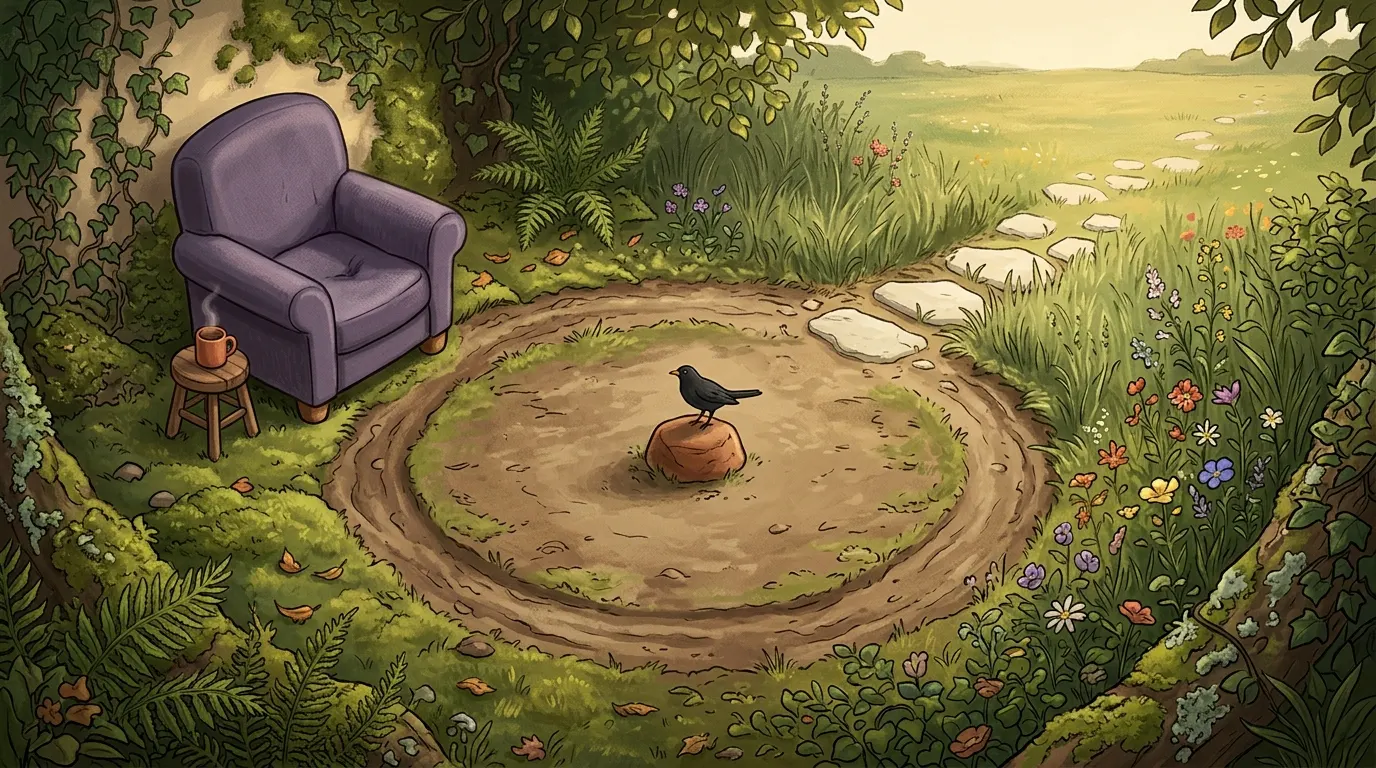
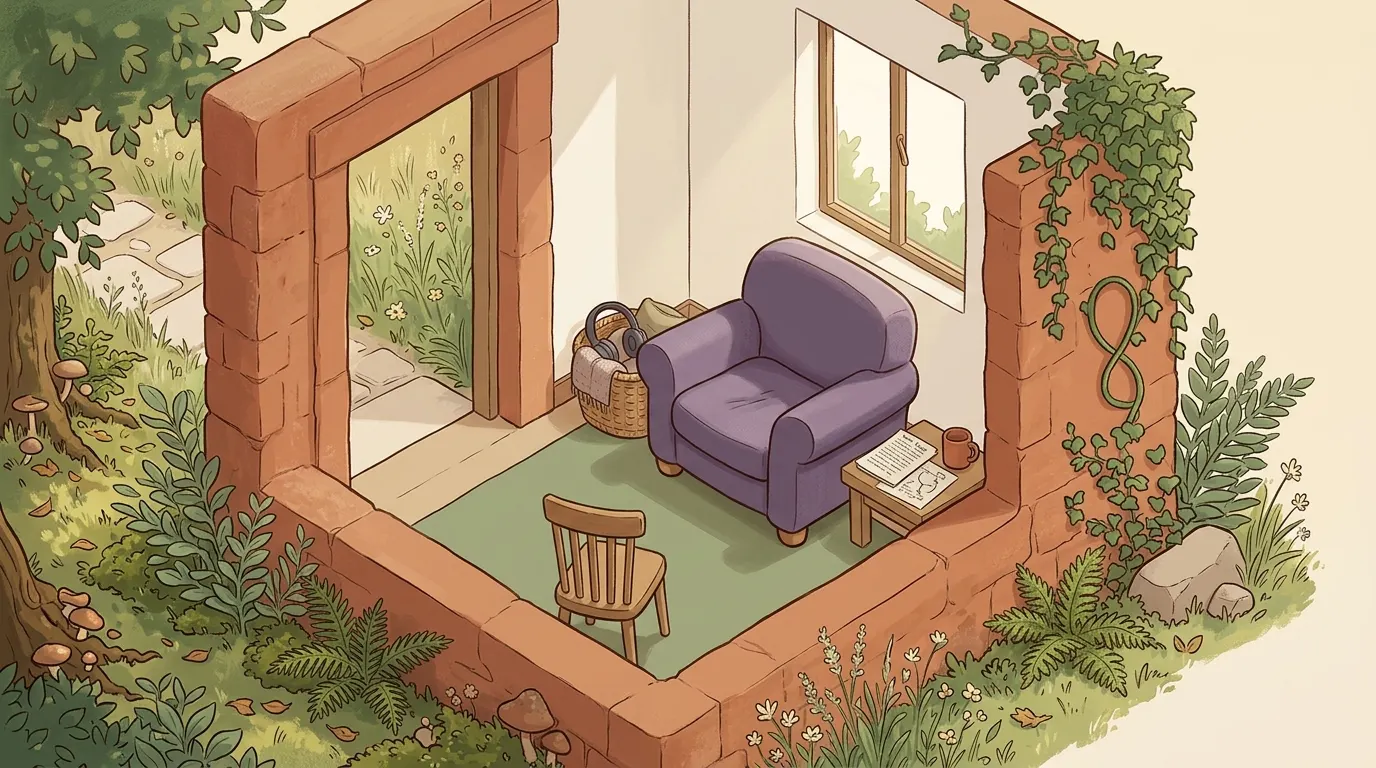
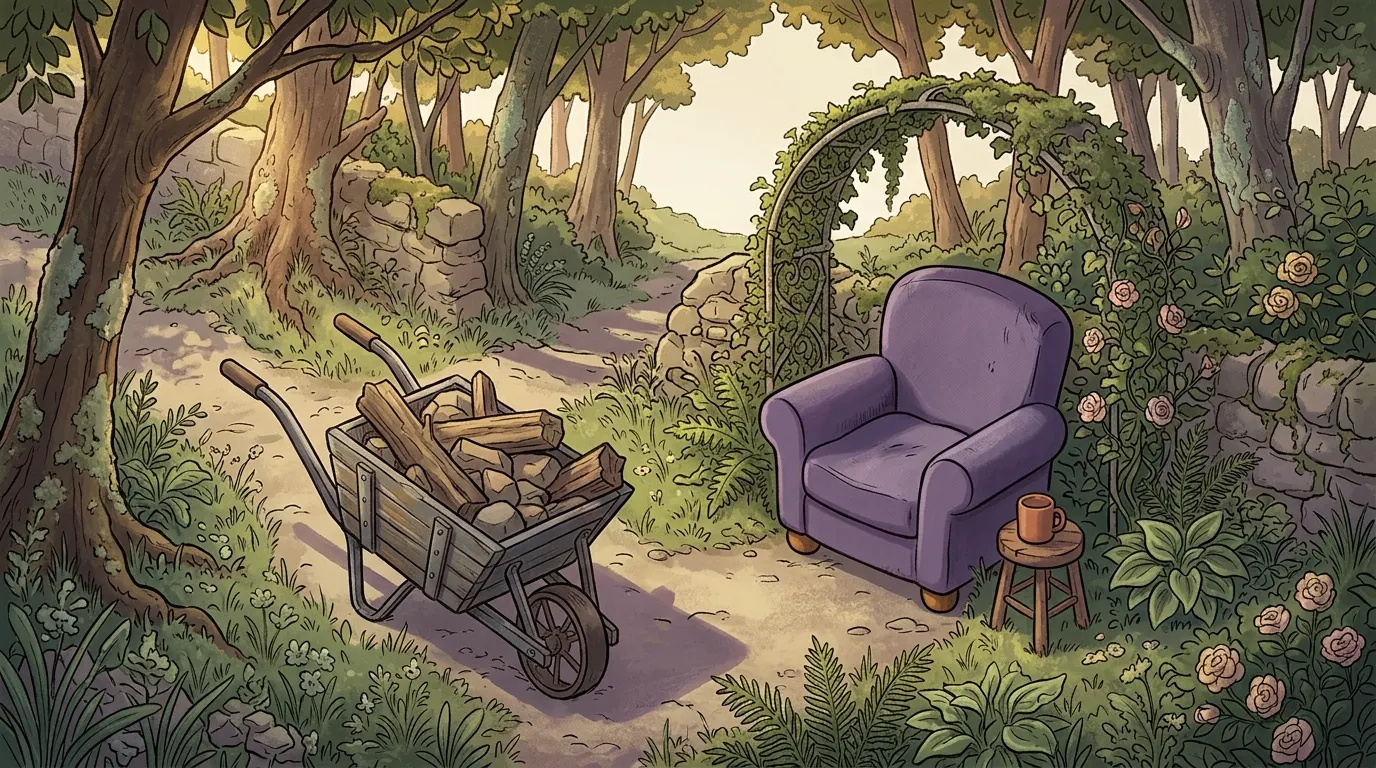
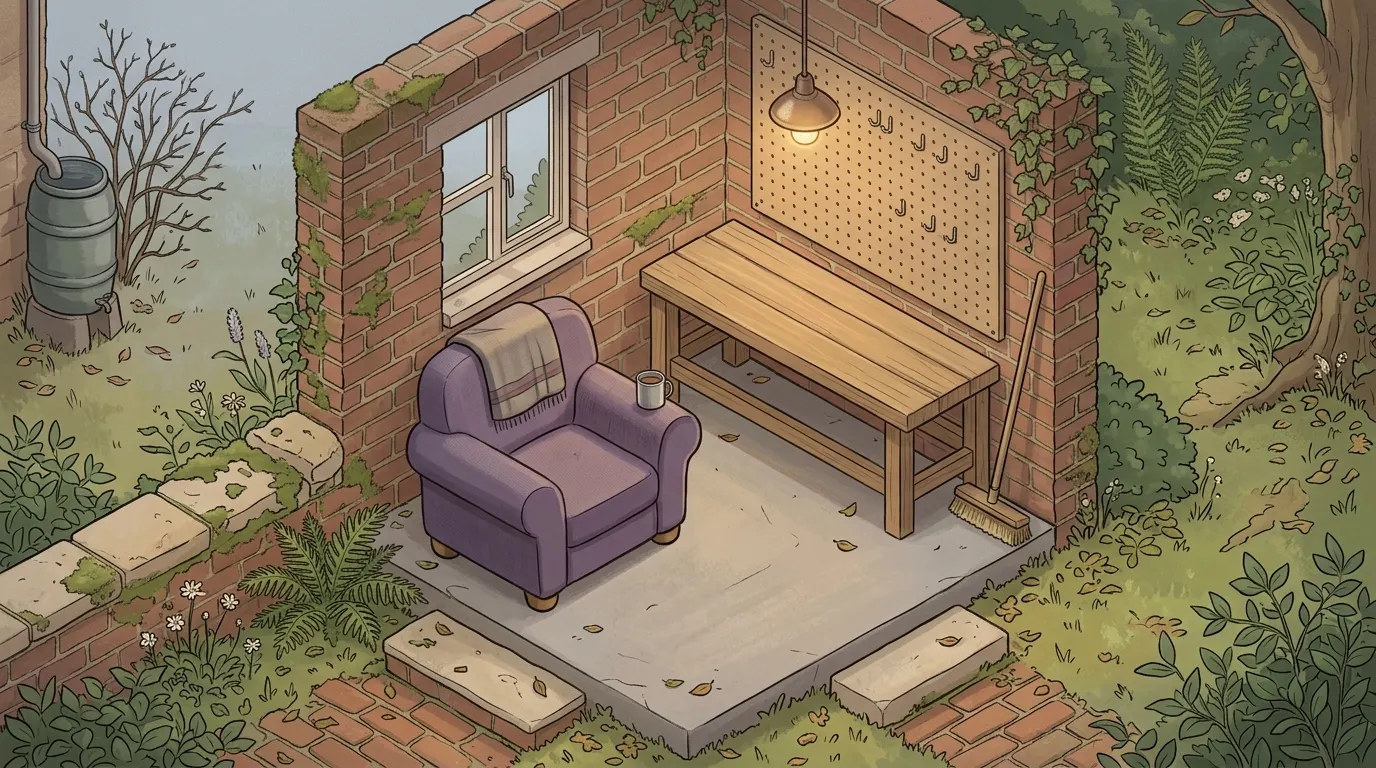
Our diagrams show how CBT and ACT differ in the room. CBT explores links between thoughts, feelings and actions. ACT explores your relationship with thoughts and steps towards what matters to you.
The diagrams explain the methods. They do not decide which therapy fits your needs.
Types of practitioners
Both therapists and counsellors can help with anxiety. The right choice depends on the severity of your symptoms and your preferences for how you want to work.
Thanks for your interest. We're not taking on new clients at the moment.
Ready to find support for anxiety?
We ask what matters to you, then find professionals who fit.
- I can't switch off my worries
- My heart races and I don't know why
- Work has been overwhelming me
- I had a panic attack recently
References
- National Institute for Health and Care Excellence (2011). Generalised anxiety disorder and panic disorder in adults: management (CG113). Link