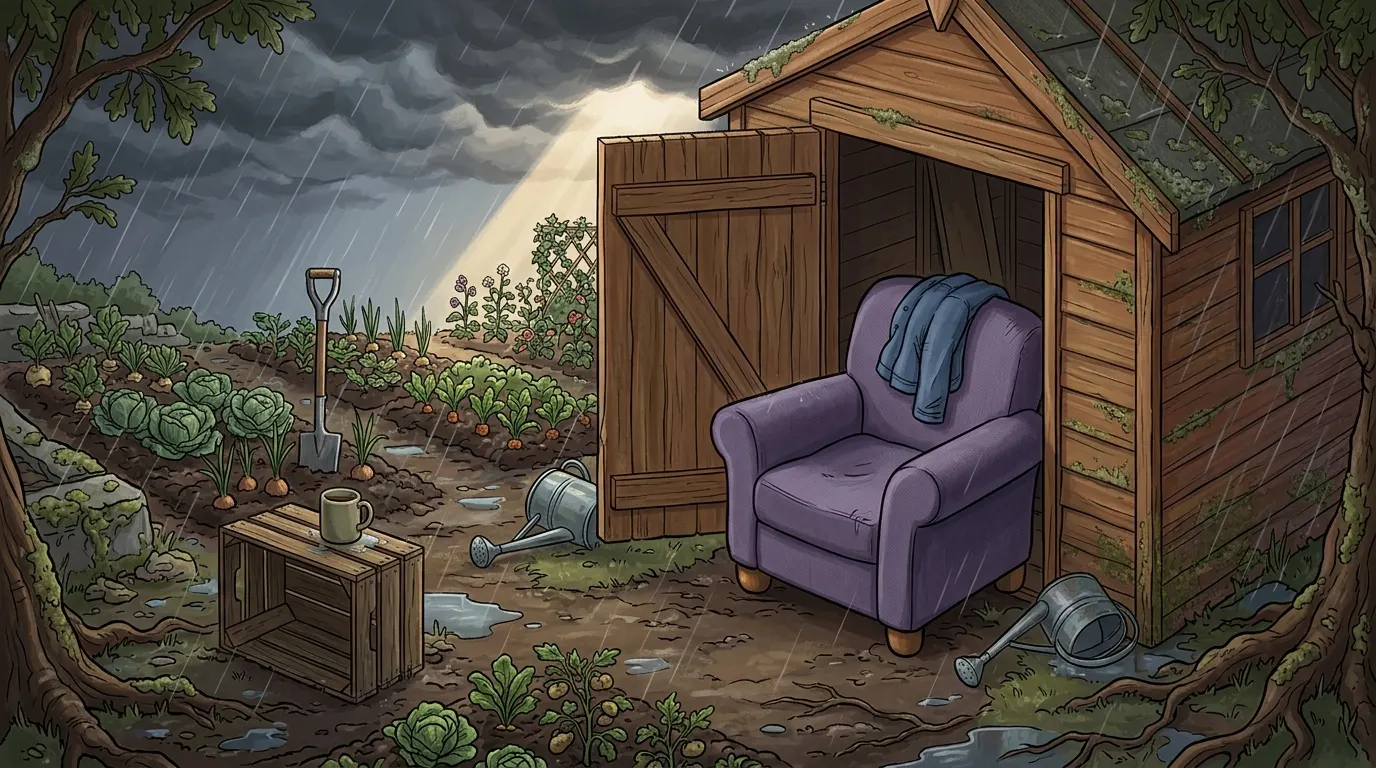
Something frightening or distressing happened to you, or to someone close to you. It ended, but part of you has not been able to leave it behind. That is what trauma feels like from the inside.
When those reactions stay and disrupt life, the NHS calls it post-traumatic stress disorder, or PTSD. It is common. In England, just under one in twenty adults screened positive for PTSD in the month before the national survey.
Sources: NHS: PTSD overview, NHS Digital: APMS 2014
What counts as trauma
There is no test you have to pass. The NHS names serious accidents, assault, abuse, serious health problems, a difficult birth and war among the causes. You may have lived through the event, witnessed it or learnt that it happened to someone you love.
Many people we hear from do not use the word trauma at all. They say something happened and they have never been the same since. That is enough.
Source: NHS: PTSD overview
How it shows up
Symptoms can start straight after the event, or many months or even years later. The NHS groups them into a few patterns:
- Reliving it, through flashbacks, intrusive images or nightmares
- Avoiding people, places or conversations that bring it back
- Feeling on edge, watching for danger and startling easily
- Negative beliefs about yourself, and losing interest in things you used to enjoy
- Low mood, irritability or anger that was not there before
It reaches the body too. Trouble sleeping, headaches, stomach problems and pain with no clear cause are all part of the picture. Some people describe feeling cut off from themselves or from the world around them.
Sources: NHS: PTSD overview, NHS: PTSD symptoms
Complex PTSD
When the trauma went on for a long time, or was repeated, the NHS calls the result complex PTSD. Childhood abuse or neglect, ongoing domestic abuse and repeatedly witnessing violence are the examples it gives.
The symptoms overlap with PTSD. Alongside them, people often describe deep shame, difficulty trusting others and feelings that swing hard and fast. Treatment takes longer, and a professional who knows this will plan for it.
Source: NHS: PTSD overview
When to seek help
In the first few weeks after a frightening event, strong reactions are normal, and many settle on their own. The NHS advises seeing a GP for possible PTSD symptoms. NICE guidance takes the same view, and treats symptoms lasting more than a month as the point to offer therapy.
You do not need to be sure it is PTSD. If it happened years ago and still shapes your days, that counts too.
We do not assess anyone and we do not diagnose anyone. We help you find a professional who works with what you have described.
Sources: NHS: PTSD overview, NICE NG116

How treatment helps
The NHS names two main talking therapies for PTSD: trauma-focused cognitive behavioural therapy and EMDR. NICE recommends both for adults, with trauma-focused CBT as the first option once symptoms have lasted more than a month.
Trauma-focused CBT works with the memory directly. You revisit what happened in a steady, planned way, and change the meanings the event left behind. A course is usually eight to twelve sessions, and more after several traumas.
EMDR asks you to hold the memory in mind while following a side-to-side movement or tap. You do not have to describe the event in detail. Many people choose it for that reason.
Medication, usually an antidepressant, is also an option through a GP. Therapy and medication can run together. Neither closes the door on the other.
The diagrams show areas of trauma-focused CBT and the phases of EMDR. Both include preparation and work with memories. EMDR's framework includes memory work with eye movements, taps or sounds.
These are descriptions of work with a therapist, not exercises to follow on your own.
Sources: NHS: PTSD treatment, NICE NG116
Trauma alongside other things
Trauma rarely comes alone. Anxiety often sits with it, and our anxiety page covers that side. If the event was a death, grief may be the better place to start.
Intrusive thoughts after trauma can look a lot like obsessive-compulsive disorder.
Some people check, repeat or neutralise thoughts to stay safe. For that pattern, exposure and response prevention is the approach built for it. A good professional will help you tell the two apart.
Who to look for
Look for a professional who says they work with trauma, and ask which approach they use. Trauma-focused CBT and EMDR both need specific training. A first session is for finding out whether you feel safe enough with this person to begin.
You set the pace. Nobody should push you into detail before you are ready, and a trauma specialist will know that.
If you are not safe tonight
Trauma can bring thoughts of self-harm or suicide, or leave you in a situation that is still dangerous. If that is you tonight, skip the professional search. Our UK crisis page lists people you can talk to right now, at any hour.
Thanks for your interest. We're not taking on new clients at the moment.
Ready to find support after trauma?
We ask what matters to you, then find professionals who fit.
- Something happened and I cannot stop reliving it
- I have nightmares and feel on edge all the time
- I think I might have PTSD
- It was years ago and it still affects me
References
- National Health Service (2026). Post-traumatic stress disorder (PTSD): overview. Link
- National Health Service (2022). Post-traumatic stress disorder (PTSD): symptoms. Link
- National Health Service (2022). Post-traumatic stress disorder (PTSD): treatment. Link
- National Institute for Health and Care Excellence (2018). Post-traumatic stress disorder (NG116). Link
- NHS Digital (2016). Adult Psychiatric Morbidity Survey: Survey of Mental Health and Wellbeing, England, 2014. Link