Lonely, even with people around
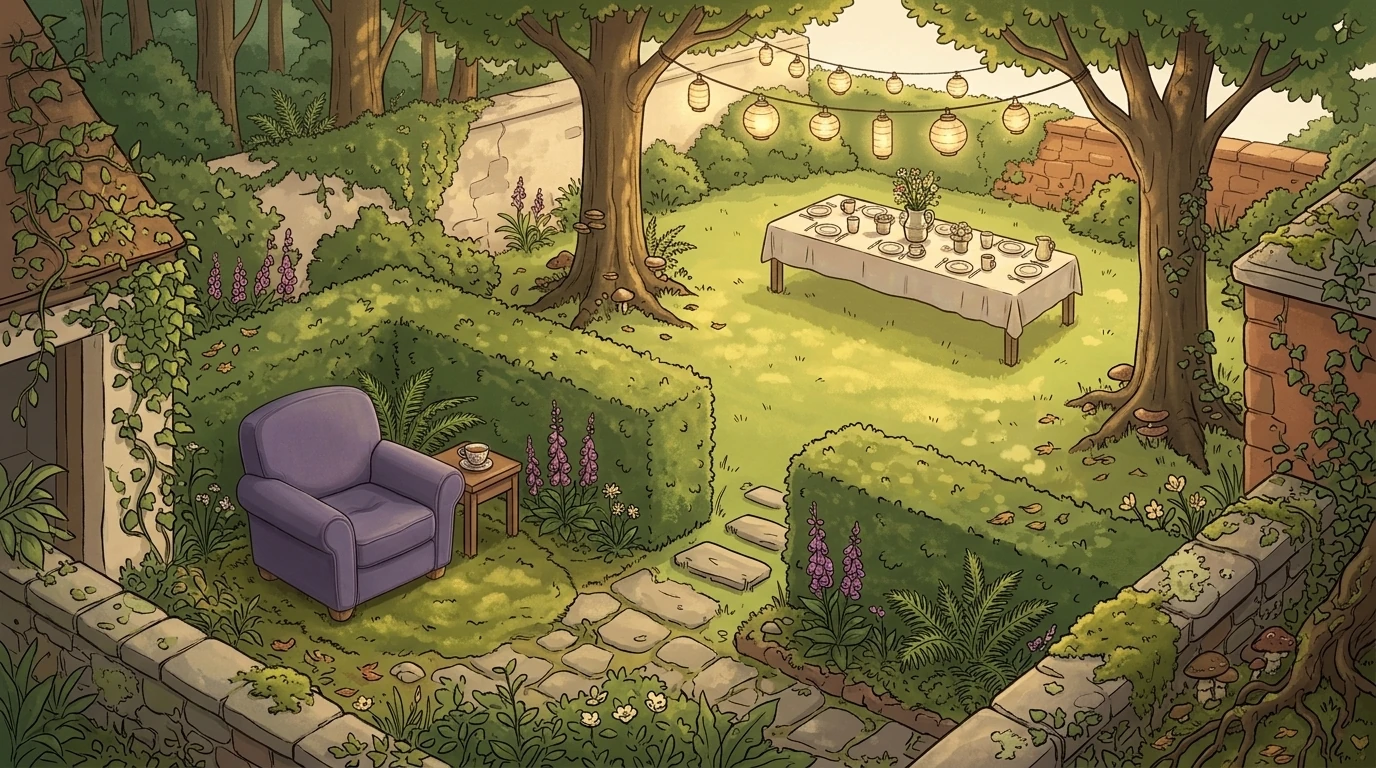
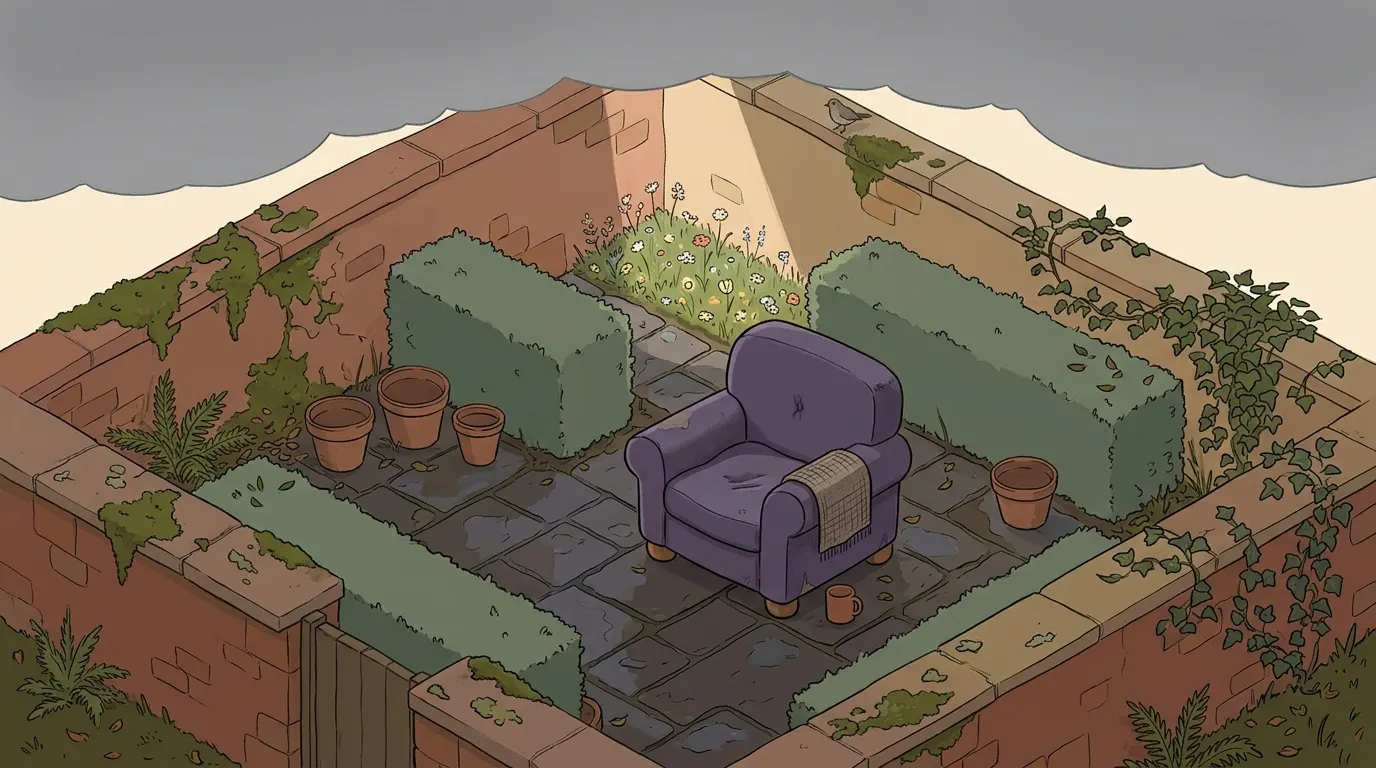
Loneliness is the feeling of being less close to other people than you want to be. You can feel it when you live alone. You can also feel it in a busy office, a family home or a long relationship.
Some researchers describe loneliness as a signal, like hunger or thirst. It tells you that a need for connection is not being met. It does not mean something is wrong with you.
Source: Hawkley & Cacioppo 2010
How common it is
In early 2026, 23% of adults in Great Britain felt lonely often, always or some of the time. Adults under 50 said this more often than older adults.
Feeling lonely often or always is called chronic loneliness. Between 2023 and 2025, almost 7% of adults in England felt this way.
It was highest among young people aged sixteen to twenty-four, at over 11%. That is more than three times the rate for people aged sixty-five to seventy-four. Some groups, such as older men, may under-report it.
It was also higher among unemployed people, at almost 21%. Among people in work, it was almost 6%.
Sources: ONS: social trends January 2026, OHID: loneliness indicator B19
You might find support helpful when
- You feel unseen by the people around you
- You have lost touch with friends after a move, a loss or a change at work
- You want to reach out, but something stops you
- Evenings and weekends feel long and empty
- The feeling has lasted for months
- It has started to affect your mood or your sleep
Why it can be hard to shift
Loneliness can change how you see other people. Lonely people tend to expect contact to go badly more often than others do. They also remember more of the hard moments.
That can start a loop. You hold back, other people hold back a little too, and the distance seems to prove the worry right. Nobody chooses this loop, and it can change.
Source: Hawkley & Cacioppo 2010

What can help
A review of programmes for loneliness compared four ways to help. In the randomised studies, the programmes that worked best helped people change how they think about social contact. They did better than programmes that built social skills, added support or gave people more chances to meet.
Only a few randomised studies tested this approach, so the finding is promising rather than settled.
Talking therapy is one place to notice the thoughts that keep you apart. One example is "they only asked me to be polite". It also gives you one steady relationship where you can try new ways of connecting.
Some small steps that many people find helpful:
- Start with one person. A short message to an old friend is enough to start.
- Go back to the same place. A regular class, club or volunteering shift lets faces become familiar over time.
- Notice the thought before you say no. "They will not want me" may be a worry, not a fact.
- Be kind to yourself. Loneliness says nothing about your worth.
Sources: Masi et al. 2011, Hawkley & Cacioppo 2010
When it comes with low mood
Loneliness and low mood often go together. If you also feel flat or hopeless most days, our low mood and depression page may help.
Loneliness can also follow a loss or a big change. Our grief page, after a break-up page and retiring page cover those changes.
If you are 55 or over
Age 55 and over
A free confidential line for older people who would like someone to talk with, run by Age UK.
Who to look for
Look for a professional who names loneliness, relationships or low mood in their profile. Some focus on how you think about contact with others. Others help you understand patterns from earlier in your life.
You can say as much or as little as you like in a first message.
Ready to feel less alone?
We ask what matters to you, then find professionals who fit.
Thanks for your interest. We're not taking on new clients at the moment.
Leave your email and we'll let you know as soon as we're ready for you.
If you would like to talk to someone today, see our crisis page.
- I feel lonely even when I am with people
- I moved here and do not know anyone
- I have lost touch with my friends
- I want to connect but something holds me back
References
- Office for National Statistics (2026). Public opinions and social trends, Great Britain: January 2026. ons.gov.uk
- Office for Health Improvement and Disparities (2026). Public Health Outcomes Framework commentary: November 2026 (indicator B19, loneliness). gov.uk
- Hawkley, L. C. & Cacioppo, J. T. (2010). Loneliness matters: A theoretical and empirical review of consequences and mechanisms. Annals of Behavioral Medicine. doi:10.1007/s12160-010-9210-8
- Masi, C. M., Chen, H.-Y., Hawkley, L. C. & Cacioppo, J. T. (2011). A meta-analysis of interventions to reduce loneliness. Personality and Social Psychology Review. doi:10.1177/1088868310377394